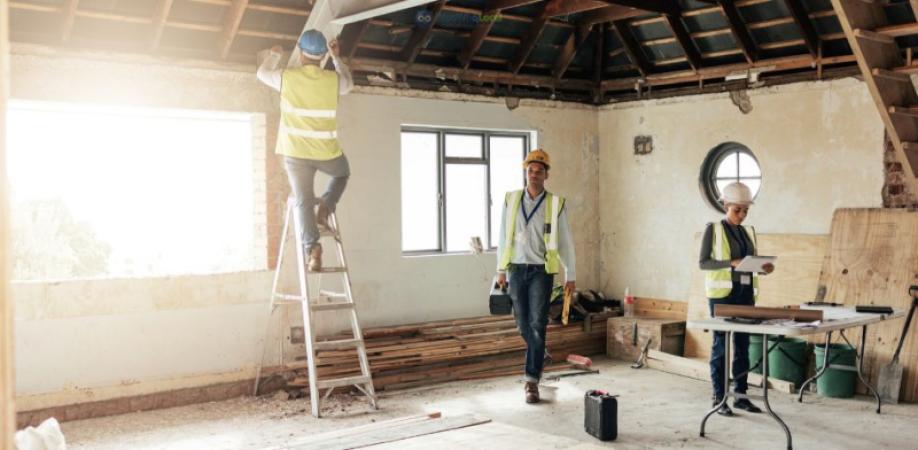
Learn the key questions to ask before hiring a home improvement contractor, from licensing and costs to timelines, contracts, warranties, and experience.
Hiring a home improvement contractor is an important choice. Whether the job is a big one like adding a new room or something small such as a few extra cupboards in the kitchen, the contractor you pick will affect the way things are done, your wallet, and the deadline when you can sit back, relax, and admire the fruit of the labor.
You should make sure you know what to ask before signing the contract or allowing them to start work. Any good home remodeling consultant is one who can talk things through clearly, give necessary information, be able to make you understand where and why things come in at specific costs and be upfront about schedule, materials, and expectations.
Here are some questions you should ask when looking for a home renovation contractor.
Are You Licensed and Insured?
One essential question to a contractor is on licensing and whether such documents are up to date. This can also vary from state to another, and the contractor's licensing has to be consistent with what the type of work is.
On the other hand, we should be cautious enough to find out whether the contractor has insurance cover for liability, work injuries, or any damage done to the property.
Do not take a contractor's 'word' for it. Always get the necessary proof documents, and only then can you trust the contractor, especially if you are the one who is going to have to pay any unforeseen extra charges after they have left.
How Much Experience Do You Have With This Type of Project?
Not every contractor is the best fit for every home improvement job. One can be a kitchen contractor and not be able to do your basement project or a bathroom remodeling job.
Most contractors have experience with general remodeling, but not every kind of work will be in their specialty. They may not be able to do your structural addition, kitchen remodeling, or bathroom renovation.
You should find out how many times they have performed similar jobs, and if they have a portfolio or references of such projects. A contractor with specific experience on your type of job knows the likely problems and challenges before they arise.
Can You Provide References or Examples of Previous Work?
Contractors whose names you can count on are the ones who can show you examples of their completed projects or offer to give references.
You can get an idea of how the contractor handles things, if they pay attention to details, and the general level of their work by looking at previous jobs.
By contacting a customer that has left a reference, you are able to talk about issues like communication, reliability, tidiness, charges, and whether the work was carried out the way that both had planned.
Also, do not forget to look into their website and other social networking profiles. Although a good review can give you comfort, it should only be one part of the factors you consider. It is important to look further before you decide!
Who Will Actually Perform the Work?
You must first clarify to whom you are going to be the one to entrust your keys and the interior of your home.
There are some contractors who actually get the work done but they do it by themselves almost the whole time, while others have the main task but depend on different subcontractors for major portions of the work. In such cases, you get a picture of how the different work elements are done and what the responsibilities of each party are. Ask whether subcontractors will be used for certain work and which parts they will take over.
If there are different people, make sure to be clear at first what your main point of contact is and how he or she will handle other people.
What Is Included in the Estimate?
Taking on a contractor who is going to give you an approximate figure without any additional detail is really a shot in the dark. So, you need to understand the contractor's price and not blindly take anything for granted.
Request from a remodeling contractor a well-written estimate of what it may cost in terms of labor, materials, rental tools, licenses, garbage disposal, etc., the other costs that the contractor expects to incur on your behalf. You get clarity of what the contractor plans to do.
In turn, it is easier to identify the price of the service when you want to compare several companies.
Ask for the contractor's explanation of which charges are not part of the quotation if anything else is to be considered. Only then can you have confidence that you are ready to make a contract.
What Is the Expected Project Timeline?
Ask when the contractor expects to start and how long the project should take.
A professional contractor should be able to provide a reasonable timeline based on the project's scope. However, construction schedules can sometimes change because of weather, material availability, inspections, unexpected structural problems, or other circumstances.
Ask how delays will be communicated and what happens if the project takes longer than originally expected.
Will You Obtain the Necessary Permits?
Some home improvement projects require permits or inspections.
Ask the contractor whether permits are necessary and who will be responsible for obtaining them. Requirements can vary depending on the location and type of project.
It is better to clarify these responsibilities before construction begins rather than discovering later that required approvals were not obtained.
What Materials Will You Use?
The kinds of materials a contractor employs can have a big effect on the outcome and longevity of a renovation project at home.
Inquiring about the kinds of brands, types of material, finishing options and other items a contractor is recommending could be a good idea. If you've got your own materials picked out, double-check that the written estimate you get includes those.
You may also inquire about whether a material's price is fixed or if it can vary through the course of a project.
How Will You Handle Changes To The Project?
Renovation work at home is usually subject to several revisions once renovations start. You could end up picking a more expensive material, redesigning a part of the original design, or even discovering that there's an unforeseen structural issue under a wall.
You should also find out what method is used for processing changes via change orders, and if any additional work needs the contractor's consent in a written format.
The presence of a transparent process will help prevent arguments about added costs and will make sure you and the contractor are clear about what has changed.
What Payment Schedule Do You Require?
Watch out for workers who want very high prepayment.
Find out what kind of advance payment the contractor wants, when the following payment is to come, and what conditions are set for the final payment.
The payment schedule in written form must correspond to the different phases of the works on-site and should be included clearly in the contract.
In other words, you shouldn’t pay for work done when you really don’t know exactly the terms of the agreement.
Do You Provide a Written Contract?
A written contract will probably be the main document protecting your interests together with the contractor.
The agreement should include in detail what is the project's scope of work, type of material, schedule of payment, description of the duties, period of warranty or other kind of protections, and the handling of changes if there’s an agreement break.
Before you commit, study every part of the contract thoroughly. If there’s something that puzzles you, ask questions; don't just guess.
What Warranty Or Guarantee Will You Offer?
Check if the contractor is able to provide a contract for workmanship and also ask if some of the materials or products that are used in the work have separate manufacturer warranties with the contractor.
Clarify what the term of a warranty is, what it covers, and even what steps you must take in case a concern arises after the project is done.
Writing warranty terms down will likely give you more clarity at the first sign of a problem.
How Will You Protect My Home During Construction?
Improvements in your home may lead to a lot of dust, junk, noise, and may also cause some damage to areas that are not currently being worked on.
Ask the person in charge about the methods they will use to secure all the surfaces and other property items such as ground, furniture, wall, garden, etc.
Additionally, you should find out if they will clean the mess made and also will you have a clean work site on a regular basis.
How Will We Communicate During the Project?
Communication is a big part of a successful renovation.
Find out the frequency of progress reports and what the contractor’s favorite mode of communication is. If you’d be happier with regular contact via phone, email or texts, or even face-to-face meetings in case of major issues, express it and set mutual rules.
Determining communication styles in advance between you and the contractor will greatly support the resolution of misunderstandings or queries before they evolve into bigger troubles!
We’ll help you through the steps in case problems are raised or even if you decide to terminate the project for any reason.
What Happens If Something Goes Wrong?
Even the most perfectly planned projects can go wrong somehow!
Find out if the contractor can resolve or manage things like concealed damage, unavailability of products, redesign of a piece, or if the structure turns out differently than what was planned from the blueprint.
Clarifying this before work begins can prevent disagreements about what "completed" means.
How Should You Compare Different Contractors?
Price should not be the only factor when choosing a home improvement contractor.
When comparing estimates, look at the contractor's experience, licensing, insurance, references, communication, materials, timeline, contract terms, warranties, and overall professionalism.
An unusually low estimate may not represent the best value if important services or materials are excluded.
Instead of choosing solely based on the lowest price, consider which contractor provides the clearest plan and the strongest overall value for your project.
Final Thoughts
Choosing the right home improvement contractor requires more than finding a company with an attractive price. Asking detailed questions before hiring can help you understand what to expect and identify potential problems before construction begins.
Verify licensing and insurance, review previous work, request a detailed written estimate, clarify the timeline and payment schedule, and make sure the contract explains the project's responsibilities and expectations.
Taking the time to ask questions before signing an agreement can help you make a more informed decision and create a smoother home improvement experience from planning through completion.