Discover what travelers look for when choosing a local hotel, from location and reviews to comfort, amenities, pricing, and easy online booking.
Travelers today have more choices than ever when it comes to finding a place to stay. They can choose from hotel chains, independent hotels, bed-and-breakfasts, and boutique accommodations. Most travelers compare options before making a booking. For a hotel, knowing what guests really want can make a difference in drawing in more visitors and increasing direct bookings.
Modern travelers care more than just the price of a room. They look for a hotel that's in a good location, has positive reviews, offers comfortable rooms, provides useful amenities, and allows for an easy booking process. Hotels that understand these needs can improve their visibility. Give guests a better experience.
Convenient Location Matters
Location remains one of the most important factors travelers consider when choosing a hotel. Guests typically want accommodation that is close to the places they plan to visit.
Depending on the type of traveler, this could include:
- Tourist attractions
- Restaurants and shopping areas
- Airports and transportation
- Business districts
- Beaches, parks, or entertainment venues
- Conference centers and event locations
A local hotel should clearly communicate its location and nearby attractions on its website. Including phrases such as “hotel near downtown,” “hotel near local attractions,” or the name of the specific city or neighborhood can also help the property appear in relevant local searches.
Positive Online Reviews Build Trust
Before booking, many travelers look at reviews to understand what previous guests experienced. Reviews can provide information about cleanliness, customer service, room quality, location, and overall value.
A hotel with consistently positive feedback can make a stronger first impression than a property with limited or outdated reviews.
Hotels should encourage satisfied guests to leave honest reviews on platforms such as Google and other relevant travel websites. Responding professionally to both positive and negative feedback can also demonstrate that the hotel values guest experiences.
Clean and Comfortable Rooms
Comfort is a basic expectation for almost every traveler. Guests want a clean, well-maintained room where they can relax after a day of sightseeing, business meetings, or travel.
Important room features may include:
- Comfortable beds
- Clean bathrooms
- Quality linens
- Reliable air conditioning or heating
- Wi-Fi access
- Adequate storage
- Workspaces
- Good lighting
- Quiet surroundings
Hotels should accurately describe their rooms online and provide high-quality photographs. Clear information helps travelers understand what they are booking before they arrive.
Competitive Pricing and Good Value
Price is another major consideration when travelers compare hotels. However, the cheapest option is not always the most attractive.
Many guests are looking for value rather than simply the lowest price. A slightly more expensive hotel may be preferable if it offers better amenities, a convenient location, complimentary breakfast, parking, or a more comfortable stay.
Local hotels can communicate value by clearly explaining what is included in the room rate. Transparent pricing can also help prevent disappointment during the booking process.
A Simple Online Booking Experience
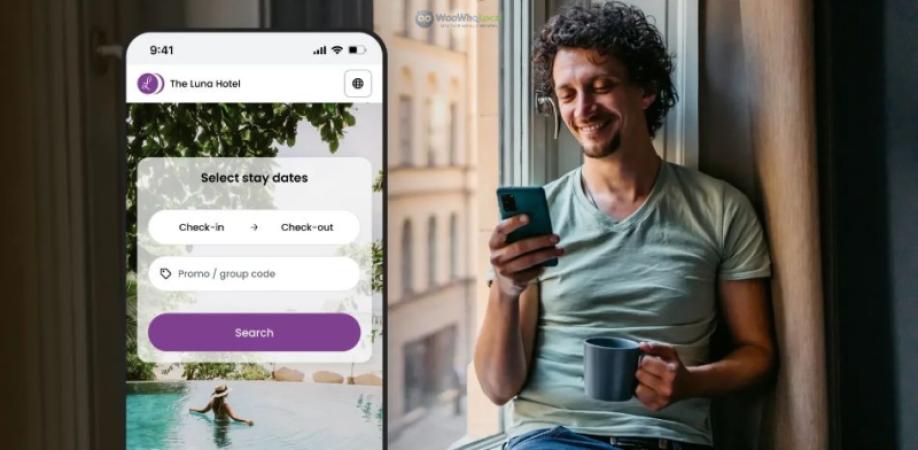
Travelers increasingly expect to research and book accommodation online. If a hotel's website is difficult to navigate or the booking process is confusing, potential customers may leave and choose another property.
A good hotel website should make it easy to:
- View available rooms
- Check prices
- See amenities
- Review cancellation policies
- Check availability
- Make a reservation
- Contact the hotel
The booking process should also work smoothly on smartphones because many travelers research hotels from mobile devices.
High-Quality Photos
Photos can strongly influence a traveler's first impression of a hotel. Guests want to see what the property actually looks like before making a reservation.
A hotel website should include clear images of:
- Guest rooms
- Bathrooms
- Lobby
- Exterior
- Dining areas
- Pool or recreational facilities
- Meeting spaces
- Nearby attractions
Images should accurately represent the property. Overly edited or misleading photographs can create unrealistic expectations and potentially lead to negative reviews.
Useful Hotel Amenities
Amenities can help travelers decide between similar properties. What matters most depends on the audience the hotel wants to attract.
For example, business travelers may value:
- Fast Wi-Fi
- Workspaces
- Meeting rooms
- Convenient transportation
- Early breakfast options
Families may prioritize:
- Larger rooms
- Parking
- Breakfast
- Swimming pools
- Family-friendly facilities
Other popular amenities can include fitness centers, laundry services, pet-friendly rooms, restaurants, and 24-hour front desks.
Hotels should highlight the amenities that are most relevant to their target guests rather than simply listing every available feature.
Friendly and reliable customer service
A great room is important. Good service can shape the stay. Guests appreciate staff who're warm, helpful, and quick to respond. Fast check-in, answers to questions, and recommendations for spots can leave an impression. For independent hotels, personalized service is a way to stand out from chains.
Local experiences can make a difference
Many travelers want to feel connected to the place they are visiting. A local hotel can offer more than a bed. It can provide guests with tips and guides to restaurants, attractions, walking paths, cultural events, and businesses. Making content about the destination on the hotel website can also help the hotel show up in search results. Examples of content include:
- Things to Do Near Our Hotel
- Best Local Restaurants for Visitors
- Weekend Activities in [City]
- Family-Friendly Attractions Near [City]
- A Local Guide to Exploring [Destination]
- Safety and Security Tips
Safety and security
Travelers want to feel safe during their stay. Clear information about hotel security, parking, entry points, front desk hours, and other facilities helps guests feel at ease. Policies should be easy to find and clearly written.
Fast and helpful communication
Travelers often have questions before booking. They may want to know about parking, check-in times, pets, breakfast, room availability, or transportation options. Offering ways to contact the hotel—like phone, email, or a contact form—makes it easier for guests to get answers. Quick communication can prevent customers from going to another hotel.
How Local Hotels Can Attract Travelers Online
Knowing what guests want is part of the story. Hotels also need to make sure their information is easy to find. A strong local marketing strategy can help. This includes:
- Optimizing the website for search terms
- Keeping the Google Business Profile accurate and updated
- Sharing content about the destination
- Collecting real guest reviews
- Improving hotel photos and page content
- Making the website work well on mobile devices
- Showing clear room and pricing details
- Offering an easy direct booking process
- Building local citations and business listings
Using keywords naturally in website content helps search engines understand the hotel’s location and services. The content should be written for travelers, not to fit search algorithms.
Final Thoughts
When choosing a hotel, travelers think about things: location, reviews, cleanliness, comfort, pricing, amenities, photos, customer service, and how easy it is to book. Hotels that give information and offer a trustworthy online experience make it easier for potential guests to choose them. For hotels, combining guest service with strong local SEO can lead to more visibility, more trust, and more bookings from travelers looking to stay in the area.