Learn how hotels can improve their online presence before peak season, attract more travelers, build trust, boost visibility, and increase direct bookings.
A major surge in reservations can be expected in peak season but hotels should be ready for the increase in demand as early as possible. In this process, the traveler often does some sort of investigation - looking up destinations, comparing stays, reading reviews, checking prices, going through website after website before getting down to the actual booking.
It has been proven that a weak or out-of-date online presence can lead travelers to switch loyalty and book competing hotels instead of your hotel. Hence, it is highly recommended to strengthen your hotel's online visibility with regard to travelers' information and decision-making.
By means of online visibility through your website and other channels as part of your hotel marketing strategy, you can reach more potential guests and convert them into booked travelers.
These are some of the practical ways to do so, and your hotel will become much more competitive after trying them out:
1. Make Your Hotel Website Updated
Your website stands among major components of your hotel online marketing. Therefore, it should not only look good, but it should also communicate the right message to the visitor.
Go through each main section of your site and make sure that it has a nice, up-to-date look and that it contains the correct information.
Look over the following items:
- room descriptions
- prices and packages
- amenities
- contact information
- check-in and check-out details
- cancellation policies
- seasonal offers
- location information
- booking options
Schedule a major house cleaning and remove any outdated information to give a refreshing new look to your site. Also, you have to design the website so that the guests do not have to spend a lot of time searching for what they need. This will ultimately help them make a better reservation decision.
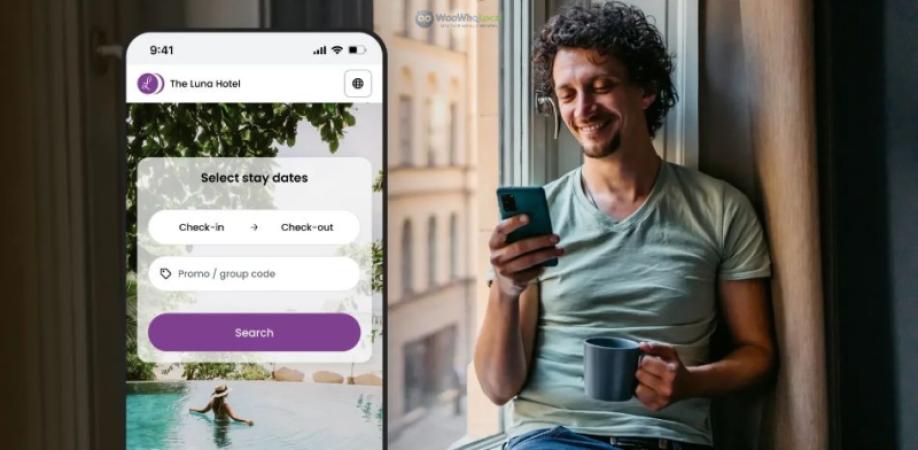
2. Go with a Website That's Easy to Use on Mobile
A major part of hotel research is done from smartphones. If your website is not easy to navigate on a small screen, a potential guest could get frustrated before even booking a room.
The most important elements to make the website user-friendly on mobile devices would include tap-to-click buttons with larger targets (not too small), easy-to-read text, proper loading of images without distortion, and functioning booking forms.
What is also crucial for an effective mobile site is that it loads quickly. Slow pages lead to a visitor's frustration not to mention they may even just give up searching.
3. Improve Your Locally-Based Business Listings
A hotel should not only have a website but also be listed in business directories online so when travelers search for accommodation in a specific area they can find you easily.
Go through your business listings and make sure your
- hotel name is spelled right!
- the address is correct
- the phone number is up to date
- your site is working
- you've got the right business category selected
- service/opening hours are listed correctly
- the photos are recent
The advantage of having your details consistent across the online sources is that it will help travelers to get the right information, contact you, and book through them quickly.
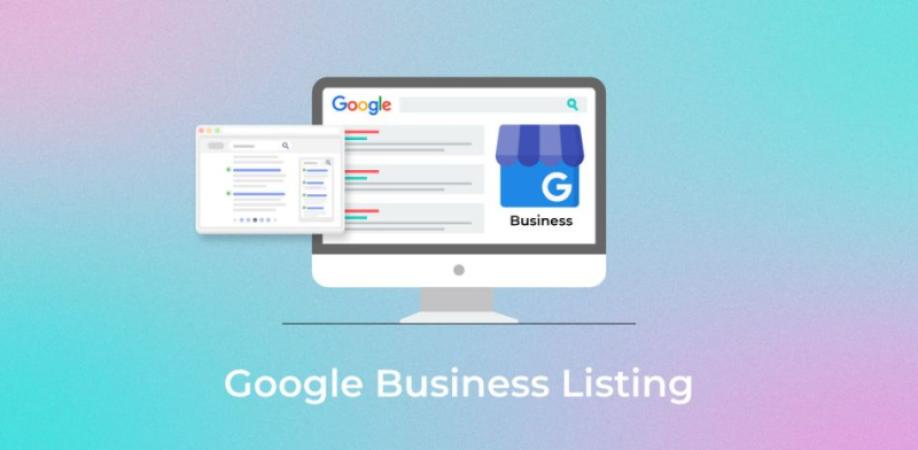
4. Refurbish Your Google Business Profile
It's very helpful to have a well-optimized Google Business listing for hotels that aim to appear in both local and destination-related searches.
In order to make your listing a good one, first of all, check the accuracy of your address, phone number, website link, and description. Also, ensure that your photographs showcase the actual appearance of your hotel premises and that they are of a good quality. Make sure your booking links and your contact details are functional.
A potential guest may stumble on your hotel listing when looking for places to stay, a nearby attraction, eatery, etc. An information-rich Google Profile could make it a one-page stop for such a traveler with all the details they need.
5. Add Up-to-date High-Quality Photos
Photos play a large role in how people perceive a hotel before they go there.
Go ahead and inspect the images shown both on your hotel Website and other online listings of yours. Throw away all those photos that are a no-go because they are old or just not nice-looking.
At the same time, try introducing professionally created pictures which are the best representation of your hotel at this moment.
For instance, it may be a nice idea to show your visitors your
- guest rooms
- bathrooms
- reception area
- beachfront
- dining areas
- outdoor facilities
- meeting room setups
- panoramas from the top of your premises
- attractive locations
Present the traveler with images showing the actual features of your property rather than an abstract vision.
6. Strengthen Your Online Reviews
Online reviews can play a significant role in a traveler's decision to select your hotel instead of another property.
In the run-up to the busy season, establish a consistent way of asking for feedback from real guests. It may be helpful to remind satisfied customers to review the establishment on various platforms after a good stay with them.
Reviewing the previous ones regularly and giving thoughtful replies are great strategies too. Express gratitude to customers for the glowing feedback and show empathy, understanding, or even offer compensation when guests raise real issues and concerns of theirs.
The temptation to invent reviews is definitely to be avoided. While such fake feedback might temporarily satisfy the hotel marketing department, the actual customers are more likely to see right through them and will be dissuaded from making such hotel bookings in the long run.
7. Create Seasonal Content
Very often, travelers get to the point of booking accommodation after they have looked up information about the destination first.
Hotels can leverage this behavior to attract potential travelers by creating valuable pieces on their travel blog, e.g.:
- Peak season activities
- Prominent local attractions
- Local events and festivals
- Family-friendly experiences
- Chef-recommendations
- Travel options
- Relaxing weekend breaks
- Holiday spots close-by
These content pages will attract people doing their research and planning a vacation.
8. Target Your Local Keywords
This time, I can explain what a website optimization process does. You can think of a website as a door that leads to an apartment complex, and a door opener as a code or a key.
Instead of trying to rank high for the single word "hotel", think of phrases that your target audience is likely to type in Google. For example:
- Hotels near [attraction name]
- Hotels in [city name] for family
- Boutique hotels in [city]
- Hotels with pet policy near [city]
Do not only focus on your main hotel keywords, but there are also other related keywords which you can use to reach a wider audience.
9. Make Booking Easy
A well-executed website will not just make you recognizable but also drive the customer into action.
Have your hotel's booking feature prominently displayed on your website so that customers can use it without any difficulty. Avoid forcing clients to visit multiple web pages just to know how to make their reservations or check the hotel availability.
Keep the booking process to a minimum and make it work both on desktop and mobile devices as well.
The time ahead of a peak season can help you not just identify any weaknesses in the booking process but also any technical difficulties that a guest might stumble upon. You can even book a hotel room as a guest, follow through every booking step and find the glitches and inefficiencies that might be causing a negative user experience or even discouraging potential customers.
Try to keep the booking process so friendly and smooth that it is almost second nature not to want to complete this task.
10. Promote Your Hotel on Social Media
Social media can serve as an extension to your website and search listing by providing a visual experience of your property for potential travelers.
A great mix of informational and entertainment-type content that travelers can share is, for instance:
- Pictures of your hotel
- Videos of a local attraction
- Seasonal outdoor activities
- Travel story experiences
- Hotel features
- Glimpses of the hotel kitchen or behind-the-scenes
- Insights and travel recommendations
Telling people about the things that will make visiting your hotel an unforgettable experience, or showcasing great facilities, is what most hotel guests want to be able to do themselves.
11. Observe Your Companions
Before the busy season, look up hotels that compete with yours in the locality.
Check out what they're doing online to present their offering. The differences in terms of:
- Design & layout of a website
- Photography and videos
- Customers' reviews (both positive and negative ones)
- Online reservations systems
If their online store has a bad rating or has been reviewed for something that could be considered a negative aspect, such as a slow website, a difficult checkout, or no option for payment after the booking has been confirmed, then it's a good idea to take their customers to your side by improving on these matters yourself. Don't copy others; only learn about what is missing from your competitor's online hotel presentation to come up with an idea for better your own!
12. Get Ready Well in Advance
A grave error that many hotels tend to make is that they wait until peak season starts to be active.
To achieve results from SEO for a website, online reviews, content marketing, as well as improvements to their websites, hoteliers will need a certain period of time. Planning and initiating activities several weeks or months before peak demand would be beneficial for the hotel in fixing potential issues and developing an online presence.
Make a list of the necessary steps and inspect your hotel's web presence once the reservations have reached their seasonal peak.
Turn Online Visibility Into More Bookings
A strong hotel online presence can help your property attract travelers before they arrive in your destination. An updated website, accurate business listings, fresh photos, positive reviews, useful content, and a simple booking process can all contribute to a better digital experience.
Peak season creates significant opportunities for hotels, but travelers have plenty of choices. Preparing your online presence early can help your property stand out, build trust, and make it easier for potential guests to choose your hotel.